AI visibility for software companies · Reviewed
Is AI visibility work right for a software company?
Yes. Buyers ask assistants about software before they talk to a vendor. How much it matters, and what the work involves, depends on the type of software you sell. Software also has assets other industries lack, such as documentation and public repositories, which assistants read closely.
What does an assistant read about a business like yours?
Tap a number to see what an assistant looks at in each part of the business.
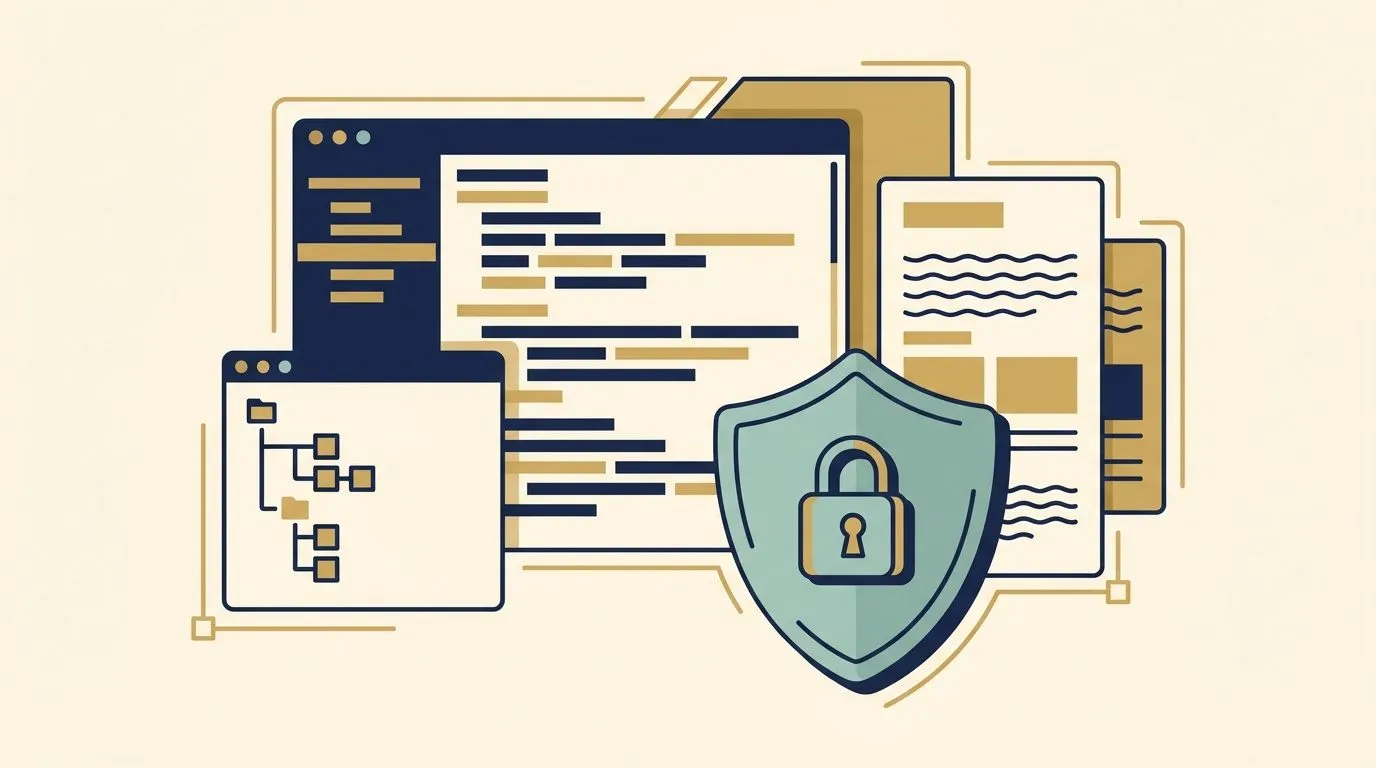
What an assistant reads here
1 Code and changelogs
Release notes and changelogs show an assistant what the product does today. Kept current, they stop it from describing last year's version.
2 READMEs and repositories
Assistants often read a public README as product documentation. Writing it to say what the product is and who it is for changes how the company is described.
3 Documentation
Docs and API references answer "does it integrate with X?" and "can it do Y?". Clear, crawlable docs are often what the assistant cites.
4 Trust and security
For security software, the assistant checks data handling, deployment model and certifications first, and it can confuse a young company with a namesake.
What do software buyers ask assistants?
These are examples of the questions in a buyer's own words. They are illustrations, not measured results.
- “What is the best project management tool for a 50-person team?”
- “Tool A vs tool B for a small support team: which should we pick?”
- “Is this vendor secure enough for regulated data?”
- “Does this product integrate with our CRM?”
- “What is this company and what does it do?”
Why does AI visibility depend on the kind of software you sell?
Buyers of different software ask different things, and assistants draw on different sources to answer them. Three broad types show the difference.
- Developer tools and infrastructure. Buyers and their assistants read documentation, READMEs and GitHub. What those pages say about the product is often what the assistant repeats.
- Security software. Buyers ask about trust, compliance, deployment model and data handling, and whether the vendor is who it claims to be. The next section covers this one in detail.
- Business applications sold to a functional buyer. Buyers ask about the category, comparisons between tools, integrations and fit for their team size. Clear category pages, honest comparisons and integration pages carry most of the weight.
So we start by reading what assistants say about you on the questions your type of buyer asks, and the plan follows from that read.
What do assistants read about a software company that they do not read elsewhere?
Software companies publish material that most industries never have. Assistants often read it as product documentation, so it becomes part of how your company is described:
- Public READMEs and open-source repositories
- Documentation and API references
- Changelogs and release notes
- Status and trust pages
- Integration listings
Most of this is written for people who already use the product, so it explains how to install or configure it and says little about what the product is or who it is for. Part of our work is writing these assets so they state that plainly.
We did this for a developer-tools company with an open-source core, rewriting the top of its public READMEs. The result, with its dates and caveats, is on the receipts page.
Security software
Why is security software a special case?
We have learned three things from working with security companies.
- A young security company is often confused with a namesake. The assistant describes the wrong company or blends two. Until it is clear which company you are, nothing else you publish lands correctly.
- Security buyers ask about trust before they ask about features. They want to know how data is handled, where the product runs, which certifications it holds and who is behind it. Trust, compliance and architecture pages need to answer those questions in plain words.
- The evidence assistants weigh is often off your own site. It includes GitHub, documentation, security write-ups, talks, and analyst and community mentions, so the work reaches those places too.
When is this not a fit for a software company?
- Your team is very small and nobody is writing yet.
- You sell through procurement-led or RFP buying, where a committee decides and a vendor process gates the purchase.
- You want only the technical fixes. Start with the free scan instead.
What do the 90 days look like for a software company?
We write your manifesto first: who you are, whom you serve and how you want to be found. Then comes the content strategy, and then shipped pages alongside your team, including the documentation and repository work that only software has. At day 90 you either stay on monthly with us or keep Collimer, our engine, and run it yourselves. You can cancel anytime and keep everything built.
Questions software companies ask about AI visibility
Do we need AI visibility work if our documentation is already good?
Good documentation is a strong start, because assistants read it. The question is whether it states plainly what the product is and who it is for, and whether anything outside your own site backs it up. We read what assistants say today before recommending anything.
Does this apply to open-source software?
Yes. Public repositories are often the first thing an assistant reads about an open-source company. We have rewritten public READMEs so they say what the product is and who it is for, and the receipts page shows the result with its caveats.
Can you help a security company that shares a name with another company?
Yes, and it is common. We make clear which company you are, in your own pages and in the places assistants check, so the answer stops blending you with a namesake.
We only want the technical fixes. Is that something you do?
The 90-day engagement is brand and content strategy with shipped pages, so it is not the right fit for technical fixes alone. For that, start with the free scan, which shows what assistants say about you and the top things to fix.
Find out where you stand
Run a free scan of your site to see how five assistants describe you today.